Bilingualism and Minority Languages 2 de nov. de 2026
Bilingualism and Minority Languages
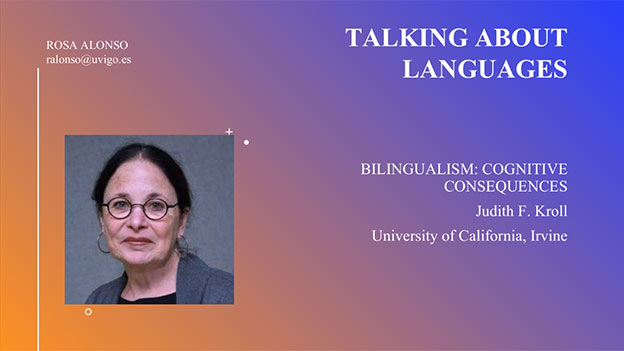
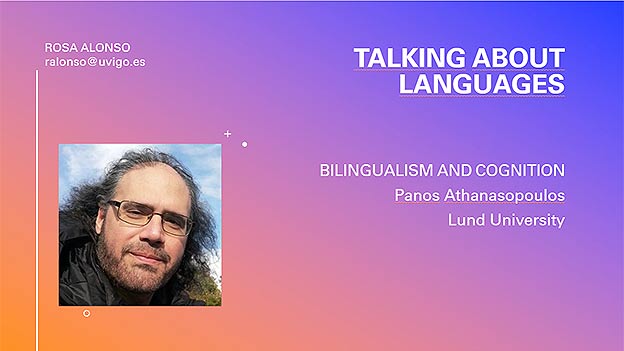
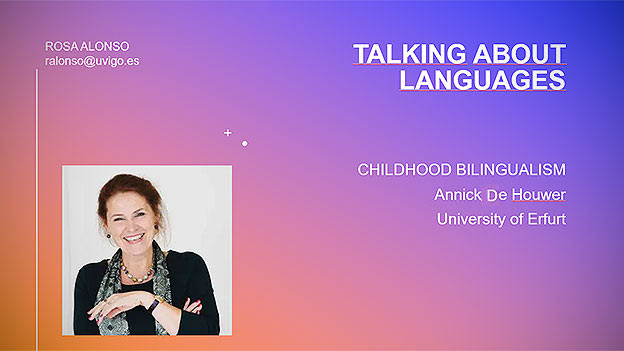
The interview explored bilingualism across the lifespan, with a particular focus on minority languages, language experience, and cognitive development. The discussion addressed the definition of bilingualism and minority languages, the roles of parental language attrition, exposure to linguistic variation, code-switching, and attitudes and motivation in bilingual development. It also examined the relationship between bilingualism and cognitive control, considering why cognitive advantages are not consistently observed across different bilingual communities and how individual variability and language experience may influence cognitive outcomes.Drawing on research on Sardinian and Scottish Gaelic, the interview discussed the effects of bilingual and Gaelic-medium education, the experiences of new speakers, and comparisons between bilingual and monolingual children. Further topics included structural priming, first-language changes among first-generation speakers, re-exposure to a previously acquired language, and the factors that contribute to successful second-language learning. Finally, the interview considered language purism, linguistic change, and the potential for passive exposure in multilingual classrooms to support language learning.